

 Streamline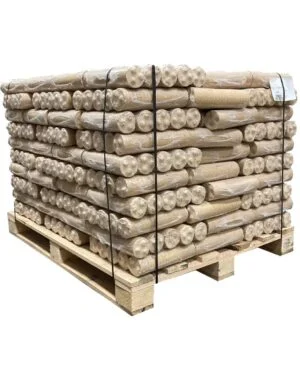
The amount of firewood a household uses can change significantly as the weather shifts through autumn, winter, and early spring. A mild week may require only an occasional evening fire, while colder or windier conditions can increase heating demand very quickly. Understanding these seasonal changes can help homeowners avoid both shortages and unnecessary over-ordering. By paying attention to temperature, wind, damp conditions, and household routines, it becomes easier to plan fuel use in a way that matches real heating needs.
Autumn Often Starts Slowly
Early autumn can be difficult to judge because temperatures may vary widely from day to day. A cool evening may encourage homeowners to light the stove, while the following day may feel mild enough to leave it unused. This can make fuel consumption seem inconsistent.
Rather than ordering a full winter quantity immediately, it can be useful to watch usage during the first few weeks. This gives a clearer idea of how often the stove is actually being used before colder weather becomes more regular.
Cold Spells Increase Consumption Quickly
When temperatures drop sharply, fuel use can rise much faster than expected. A stove that normally runs for two or three hours may suddenly be used for most of the evening. Some households may also light it earlier in the day.
This change can reduce stored supplies rapidly. Checking fuel levels before a forecast cold spell gives homeowners time to reorder if necessary and avoids the stress of discovering too late that the store is nearly empty.
Wind Can Make Rooms Feel Colder
Temperature alone does not always determine how much heat a home needs. Strong winds can increase draughts around doors, windows, and older parts of a property. This may make rooms feel colder even when the outdoor temperature has not fallen dramatically.
Reducing avoidable draughts can help the home retain more heat. If a stove seems to need significantly more fuel during windy weather, it may be worth checking where warmth is being lost rather than simply increasing the size of every load.
Damp Weather Can Affect Storage
Long periods of rain create another challenge. Outdoor storage areas should be checked regularly to make sure water is not reaching the fuel. Covers can move, roofs can leak, and damp ground can affect the lower part of a stack.
Logs that absorb moisture may become harder to burn efficiently. A weatherproof top combined with good ventilation around the sides can help protect stored wood during prolonged wet conditions.
Pellet Fuel Also Needs Seasonal Care
Households using suitable appliances with wood pellets should also review storage as seasons change. Pellet bags need to remain dry throughout the year, but wet winter weather can increase the risk of leaks, condensation, or damp floors. Even small amounts of moisture can affect pellet structure. Keeping bags raised from the floor and away from exposed walls can help. Regular inspection is especially useful when bags are stored for several months.
Milder Weeks Are a Chance to Slow Down
Winter does not stay equally cold every day. When a milder period arrives, it can be tempting to continue using the stove at the same rate out of habit. This can lead to unnecessary fuel consumption.
Reducing the length of heating sessions or using smaller loads may be enough to keep the room comfortable. Adjusting usage with the weather can help stretch supplies further without reducing comfort.
Spring Needs a Different Approach
As spring approaches, heating demand usually becomes less predictable. Cold mornings may still require a fire, while warmer afternoons make additional heating unnecessary. This is a good time to reduce ordering quantities and focus on using older stored fuel first.
A smaller final delivery may be more practical than buying a large amount that will remain unused through summer. Spring is also a useful time to inspect the storage area and review how much fuel remains.
Keep Notes on Seasonal Patterns
A simple record can improve future planning. Homeowners can note when stove use increases, when additional fuel is ordered, and how long supplies last during different weather conditions. This does not need to be detailed.
Even rough seasonal observations can help the following year. Over time, households can build a clearer picture of how much fuel they typically need during mild autumn weather, peak winter, and the transition into spring.
Conclusion
Seasonal weather can have a major influence on how quickly wood fuel is used. Cold snaps, wind, damp conditions, and milder periods all affect household heating demand in different ways. By monitoring supplies, protecting stored fuel, and adjusting stove use as conditions change, homeowners can plan more accurately and avoid unnecessary waste. A flexible approach makes it easier to stay comfortable while keeping fuel consumption under control from early autumn through to the final cold days of spring.

