

 Hank
Hank 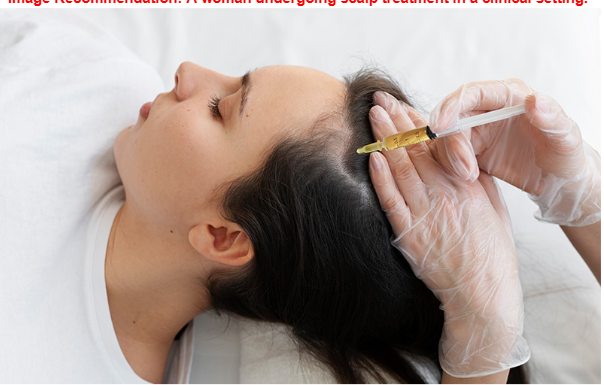
Low-level laser therapy (LLLT) is one of the most studied non-invasive methods used to stimulate hair follicles and improve scalp blood flow. The treatment uses red light on the scalp in order to regulate cellular activity on the scalp and prolong hair growth as a bald scalp treatment. Clinical trials have shown that regular use of LLLT can increase hair density in individuals experiencing thinning. As a pain-free procedure with minimal side effects, it is widely recommended by dermatologists as a supportive solution for various forms of hair loss.
Platelet-rich plasma (PRP) for Targeted Regrowth
PRP therapy starts by drawing a small sample of the patient’s blood and then processing it to concentrate the platelets, which are injected into areas affected by hair thinning. The growth factors found in PRP enhance healing and tissue regeneration, stimulating inactive follicles. Numerous studies confirm its effectiveness, especially in androgenetic alopecia. PRP has gained traction for its ability to address early-stage hair loss without requiring synthetic substances. Treatments are typically spaced over several months, and outcomes include improved hair density and strand thickness.
Minoxidil and Topical Treatments Backed by Evidence
Topical applications containing active ingredients like minoxidil have long been approved for hair regrowth. These treatments work by enlarging hair follicles and extending the active growth phase. Clinical research supports their ability to reduce hair fall and increase visible coverage when used consistently. While not a cure for underlying causes, topical treatments are a practical starting point for many users. Monitoring progress and applying them under professional guidance ensures optimal results and limits potential side effects.
Microneedling for Enhanced Follicle Response
Microneedling is a dermatological technique that involves creating controlled micro-injuries in the scalp using fine needles. This process triggers the body’s healing response and promotes the release of growth factors. Studies show that microneedling, when combined with topical therapies, improves treatment absorption and boosts follicle activation. This method is increasingly used to support hair regrowth, especially in individuals seeking non-surgical interventions. It also contributes to improved scalp texture and circulation.
Nutritional Support Based on Clinical Data
Hair health is directly influenced by nutritional intake. Deficiencies in iron, biotin, vitamin D, and zinc are frequently linked to excessive shedding and weak regrowth. Research has highlighted the importance of tailored supplementation to restore balance. A structured dietary approach or medical supplementation, guided by lab results, ensures that nutritional gaps are addressed. Maintaining adequate nutrient levels supports follicle activity and scalp recovery, particularly during treatment regimens. Proper nutrition creates a stable foundation for regrowth to occur.
Cognitive Links Between Hair Loss and Mental Health
Hair loss impacts more than appearance—it affects mental well-being. Psychological stress, low self-esteem, and anxiety are frequently reported by individuals dealing with thinning or balding. Professionals in the mental health field recognise hair loss treatment for women as a factor that contributes to diminished confidence and social discomfort. Addressing these mental health challenges through counselling or therapy complements medical treatment. Individuals interested in supporting others in this area may pursue further study.
Anti-Androgen Medications for Hormonal Hair Loss
In cases where hair loss is driven by hormonal fluctuations, such as those seen in female pattern baldness or polycystic ovary syndrome (PCOS), anti-androgen medications may be prescribed. These treatments block the effects of excess androgens that shrink hair follicles. Research supports their use in stabilising hair density and slowing progression when hormonal imbalance is present. Patients considering these options require medical supervision to evaluate risks and monitor treatment response effectively.
Surgical Hair Restoration with Proven Techniques
For advanced cases where non-invasive treatments have limited impact, surgical hair transplantation provides a solution. Techniques such as follicular unit extraction (FUE) involve relocating hair from denser scalp regions to thinning areas. Outcomes are supported by decades of clinical data and are typically long-lasting when post-surgical care is followed. The procedure is precise and aims for natural-looking results, offering renewed confidence to individuals who have experienced significant loss.
Scalp Hygiene and Ongoing Maintenance
Consistent scalp hygiene supports treatment effectiveness and prevents obstruction of follicles. Using gentle shampoos, removing build-up, and protecting the scalp from environmental damage contribute to better outcomes. Maintenance routines based on evidence—such as reduced use of heat styling tools and incorporating scalp massage—can reinforce treatment success. Ongoing care is essential to prevent regression and support long-term hair vitality.
Early Intervention for Sustainable Results
Early identification of hair loss and prompt treatment significantly improves outcomes. Research indicates that individuals who start interventions in the initial stages have higher success rates in preserving density and stimulating regrowth. Medical consultations, proper diagnosis, and structured treatment planning ensure a targeted response. Timely action allows for less invasive methods and helps maintain natural hair appearance.
For more information about hair treatment solutions, contact Bee Choo today.

