

 Hank
Hank 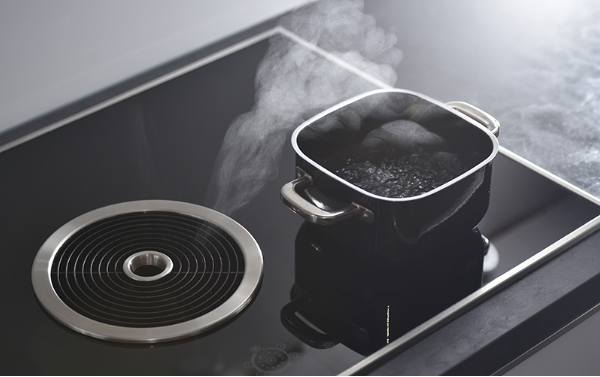
Home-cooked meals bring comfort, but without proper ventilation, they also bring smoke, grease, and lingering odours. For many households in Singapore, cooking daily meals with strong aromas or high heat is routine—yet the frustration of false smoke alarms and stuffy air can ruin the experience. The solution begins with installing an effective cooker hood that works seamlessly with your cooker hob.
Kitchen ventilation isn’t just about aesthetics. It plays a central role in maintaining air quality, keeping the kitchen clean, and even preserving the condition of surrounding cabinetry. With multiple types and configurations available, choosing the right cooker hood requires understanding how it performs under real kitchen conditions.
Pairing the Right Hob and Hood
An effective kitchen setup depends on how well the cooker hob and hood work together. While the hob generates heat, fumes, and vapour, the hood is responsible for extracting it before it spreads. Choosing a suitable pair ensures better performance overall.
Gas hobs produce more open flame and heat, requiring stronger ventilation. Induction and ceramic hobs generate less smoke but still benefit from consistent airflow to manage heat and condensation. The compatibility between hob type and hood capacity ensures efficient and safe cooking.
Suction Power and Filtration
One of the first things to assess when selecting a cooker hood in Singapore households can rely on is its extraction power. This refers to how efficiently it draws in smoke, steam, and airborne grease. A hood with strong airflow capacity can quickly remove pollutants from the cooking area, preventing them from circulating in the rest of the home.
Besides raw suction, filtration is crucial. Cooker hoods use different types of filters to trap grease and odours. Mesh or baffle filters for trapping oil particles, while charcoal filters help reduce smells. These systems need regular cleaning or replacement to maintain performance, so it’s worth choosing one that’s easy to maintain.
Size and Hob Compatibility
A cooker hood must match the dimensions of the cooker hob beneath it. If the hood is too small, it won’t be able to capture steam and smoke effectively. Ideally, the hood should equal or slightly exceed the width of the hob to ensure full coverage.
In compact flats or open-concept kitchens, the cooker hood design should also accommodate space constraints. Slim models or angled hoods are practical for smaller kitchens, while larger setups may benefit from ceiling-mounted or island-style hoods. The placement and spacing above the cooker hob are just as important as the unit’s size.
Noise Level Considerations
Kitchen noise can build up quickly with appliances, conversations, and the cooking process all contributing. A noisy cooker hood adds to the chaos, making it harder to enjoy time in the kitchen. That’s why the noise level of the cooker hood matters more than many realise.
Manufacturers usually indicate noise levels in decibels. A quieter cooker hood allows users to hold conversations while cooking or enjoy background music without interference. This feature becomes essential in homes where the kitchen is part of a shared living area.
Design and Control Features
Reliable retailers provide today’s cooker hoods that are designed not just for function, but for style. Sleek finishes, concealed control panels, and LED lighting have become standard, enhancing the kitchen’s overall appearance. For users who want intuitive operation, touch controls and automatic shut-off timers offer added convenience.
In some cases, cooker hoods are integrated into cabinets for a minimalistic look. For those who prefer a bolder design, wall-mounted chimney hoods or glass canopy models create a modern aesthetic. Lighting plays a dual role, illuminating the cooking area while contributing to ambient kitchen light.
Energy Efficiency and Maintenance
As more Singaporean households look to reduce energy use, cooker hood efficiency becomes another deciding factor. Units with energy-saving motors and LED lighting reduce consumption without sacrificing performance.
Maintenance is another consideration. Grease filters must be cleaned regularly, and hoods should allow easy access. A cooker hood with removable components saves time and encourages routine upkeep, which keeps the appliance working efficiently and extends its lifespan.
Making the Right Choice for Your Home
The ideal cooker hood for Singapore households is one that suits the size of the kitchen, matches the cooking style, and performs consistently without being disruptive. Whether preparing quick stir-fries or long simmering dishes, having the right ventilation makes a noticeable difference.
With proper installation, regular cleaning, and the right specifications, a cooker hood can prevent the frustration of lingering odours and false alarms—making the kitchen a more pleasant place to cook and gather.
For more information about kitchen appliances, contact Harvey Norman Singapore today.

