

 Hank
Hank 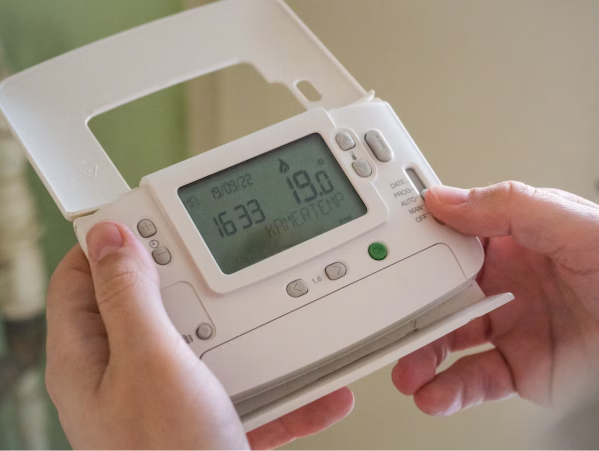
Keeping your home warm during winter can be challenging, especially if your heating system is not running at its best. An inefficient heating system not only increases energy costs but also struggles to maintain a comfortable indoor temperature.
Fortunately, there are several steps you can take to boost its efficiency. Here are five proven ways to optimize your home’s heating system.
1. Schedule Professional Furnace System Services
One of the most effective ways to improve your heating system’s efficiency is by scheduling regular maintenance of your Furnace System. Over time, dirt, debris, and wear can reduce the furnace’s ability to heat your home effectively. A professional technician can clean components, replace filters, and check for potential issues like cracked heat exchangers or malfunctioning thermostats.
Regular servicing ensures the system operates at peak performance, reduces energy consumption, and extends its lifespan. It also improves air quality by eliminating dust buildup, creating a healthier environment for your family during the winter months.
2. Install Spray Foam Insulation
Inefficient insulation can cause your heating system to work overtime, as warm air escapes through cracks and gaps in your home. Spray foam is a superior insulation solution for sealing these leaks. It expands to fill every crevice, creating an airtight seal that prevents heat loss and keeps cold drafts out.
Unlike traditional insulation materials, spray foam also provides moisture resistance, which further enhances its durability and effectiveness. By investing in spray foam insulation, you will not only improve the efficiency of your heating system but also enjoy long-term energy savings and a more consistent indoor temperature.
3. Use a Smart Thermostat
A smart thermostat can significantly enhance the efficiency of your heating system by providing precise control over your home’s temperature. These devices allow you to program heating schedules, ensuring your system only runs when needed.
For example, you can set lower temperatures during the night or when the house is empty and increase warmth just before your family returns home. Many smart thermostats also offer remote control features via smartphone apps, allowing you to adjust the temperature on the go.
4. Seal Doors and Windows
Gaps and cracks around doors and windows are common culprits of heat loss in homes. Sealing these openings can dramatically improve your heating system’s efficiency. Weatherstripping, caulking, and door sweeps are simple yet effective solutions to block cold air from entering and warm air from escaping.
By addressing these problem areas, you reduce the workload on your heating system, helping it maintain the desired temperature without excessive energy use.
5. Replace or Clean Air Filters Regularly
Clogged air filters restrict airflow, forcing your heating system to work harder to distribute warm air. To maintain efficiency, replace or clean your filters at least every 1-3 months, depending on usage and whether you have pets or allergies.
Clean filters ensure proper airflow, improve indoor air quality, and prevent unnecessary strain on the system. This simple maintenance step can lead to noticeable energy savings and a more reliable heating system.
By implementing these strategies, you can significantly improve your home’s heating system efficiency, reduce energy bills, and keep your family warm throughout the colder months.

